
Job sites face a lot of unpredictability each day, where people may encounter equipment failures along with human errors that can result in a catastrophe. It’s these moments that can reveal how important safety planning in a company is, and fortunately, there are tools that can help with this.
There’s an enterprise platform that can check for possible operational risks, and it often helps identify dangers systematically. A centralized system that can simplify the safety assessments in the company can benefit everyone. With the help of artificial intelligence advisors, one can unlock the power of data, and it ensures that there’s accountability with everyone involved.
There are hybrid platforms that can score risk according to the models that they’re trained on. With real-time visibility, the system can uncover dangerous patterns that may have been otherwise overlooked by inspectors. This Integrated Risk Management system can help data become more usable in flagging fatality risks in the workplace. It’s capable of predictive actions that could happen in the future, instead of just accepting logged reports.
What Can These Systems Do?
These integrated tools are able to analyze equipment, where they can pinpoint patterns that are often the root cause of accidents. They can sense machines through devices if they start to vibrate or if they’re overheating, so supervisors can be alerted before the situation gets worse.
Intervening with these issues early can mean that the workers can schedule preventative maintenance, and it protects them as well. Cameras can also detect unsafe behaviors where someone might continue slouching for long periods. In order to avoid fatalities, they may send a message to the right people to check on a worker before things get out of hand. It’s also the case when there’s excessive smoke, and with constant vigilance, the workplace can become safer.
Also, AI can be trained according to the workplace policies. It’s interactive, where simulations are able to imitate a real-world environment, and the AI will suggest steps on what should be done when incidents happen. This is targeted feedback that creates confidence in employees, and it prepares the workforce to respond faster in times of emergencies.
Chemical handling can be handled by automated systems where machines are involved. They can do repetitive motions without strain, and it can help employees focus on tasks that require oversight. See more info automation when you click here.
Streamlining Processes with Digital Tools
Safety processes are better implemented when an organization decides to use tools that can make everyone’s lives easier. Instead of just relying on paper forms that can easily be misplaced, all the risk details are now encoded in a single location to avoid confusion.
Automated reminders are also sent now and then to a lot of people, and this eliminates people working on recurring tasks. Digital checklists may also be created to streamline various processes and help employees solve problems rather than sorting through a lot of paperwork.
Improving Visibility Across Operations
Also, managers are able to track inspections through a single system, and the entire system is more structured. When they’re able to identify the trends, their decision-making greatly improves.
If more people see what’s going on, they can prevent workers from being accidentally locked in restricted rooms, and employees can implement an effective action plan moving forward. It’s a clarity that can eliminate guesswork, and it encourages them to make a more informed choice.
These Tools Support Compliance with the Standards
Businesses need to follow the regulations set by various organizations, and they should adhere to the standards of making sure that their procedures are consistent. Fortunately, this can be simplified by the right digital systems, where they can organize the records in a secure manner and make it easier for everyone to retrieve what they need.
Manageable compliance can make it easier for everyone to pass audits that you can find info here: https://safetyculture.com/topics/safety-audit. They reduce the risks of violations in a company, and the safety culture can be easily improved. When there are corrective actions that are easy to grasp, the system becomes more solid, and it’s easier to assign tasks to the right people. Deadlines become manageable, and the hazards are addressed properly so they won’t reappear in the near future.
Improving workplace conditions starts with the proactive actions of the management to make sure that each person knows their role. Trackers are also put in place, so companies know if their efforts are making a difference, and they also make some adjustments when there’s room for improvement.
Encouraging Employee Engagement
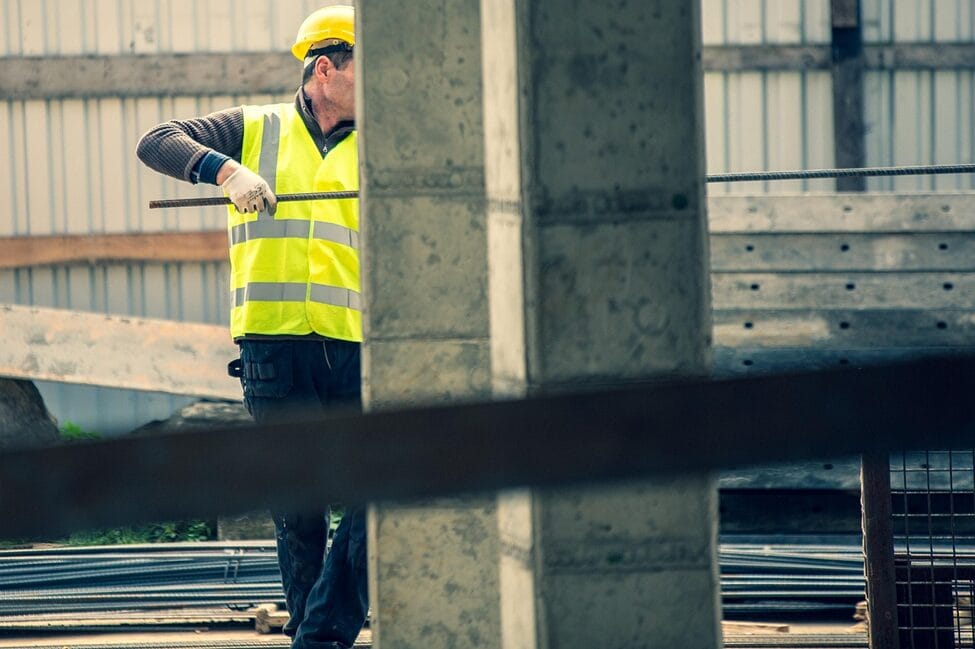
The people who understand the role of risk management can also contribute in a more active manner to safety procedures. When reporting tools are made simple, it becomes easier for everyone to share their observations, and the contribution can lead to meaningful changes. Companies can uncover some issues that may otherwise go unnoticed, and this is going to support accident prevention on their job sites.
