Table of Contents
- Enhancing Convenience with Automation
- Boosting Energy Efficiency
- Strengthening Home Security
- Promoting Health and Wellness
- Supporting Aging in Place
- Integrating with Smart Cities
- Addressing Privacy Concerns
- The Future of Smart Homes
Smart home technology is rapidly becoming a cornerstone of modern living, offering homeowners increased comfort, security, and energy savings. With innovations like voice assistants, smart thermostats, and connected appliances, people are reimagining how they interact with their homes. For local homeowners and buyers, Amesbury real estate experts The Barnes Team note that these features are now highly sought after in today’s competitive housing market, setting new standards for residential convenience and value.
The integration of these smart innovations not only enhances living standards but also supports healthy routines and streamlines household management. Many families appreciate the appeal of automating everyday tasks, while safety-minded individuals value the round-the-clock security that smart devices provide. These transformations in daily life highlight how innovative technology is becoming as essential as traditional utilities or appliances.
Enhancing Convenience with Automation
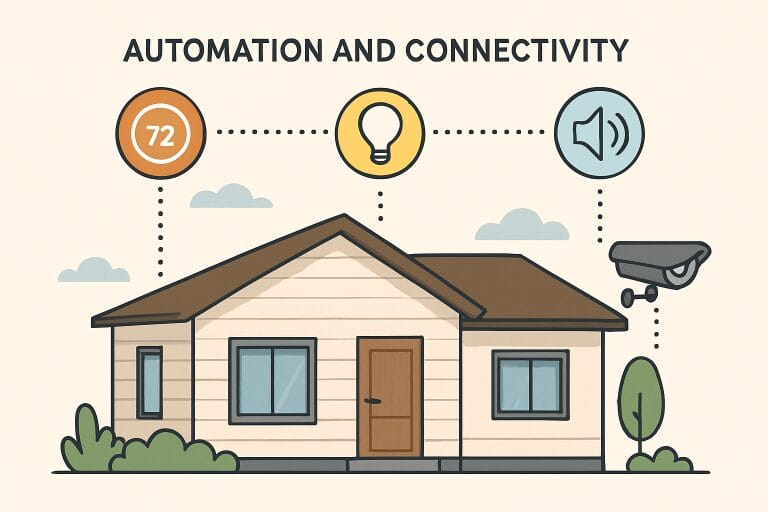
Automation is at the heart of smart home transformation. Devices like smart plugs and lights, controlled via voice assistants or smartphone apps, allow users to create routines for their day-to-day lives. Imagine starting your morning with the lights brightening gradually, the coffee maker turning on automatically, and the thermostat adjusting to the perfect temperature—all without lifting a finger. This real-time control means more time for what matters most, whether that’s spending time with family or pursuing hobbies.
Automated home assistants, such as Amazon Alexa and Google Home, serve as command centers for these functions, making it easier than ever to coordinate daily tasks. These systems learn user preferences over time, providing reminders, adjusting entertainment settings, and even helping to manage grocery lists with minimal input. As consumer preferences shift toward convenience, these technologies are proving indispensable in the modern household.
Boosting Energy Efficiency
Smart home tech has made significant strides in reducing energy consumption and costs. Products like smart thermostats, including those by Nest and Ecobee, monitor usage patterns and automatically adjust heating and cooling to optimize comfort while cutting waste. According to research from the U.S. Department of Energy, these thermostats can save households an average of 10-15% on energy bills each year.
Additional tools, such as energy monitors and smart power strips, provide homeowners with a detailed breakdown of how much energy individual devices use, empowering them to make informed choices about their usage. This not only helps the environment but also translates into meaningful savings over time.
Strengthening Home Security
Enhanced security is another pillar of the smart home revolution. State-of-the-art security systems integrate smart locks, video doorbells, motion detectors, and surveillance cameras, all accessible from a user’s mobile device. Homeowners receive instant alerts if doors are opened or movement is detected, and some systems allow remote locking or communication with visitors via two-way audio.
This technology is especially beneficial for families, travelers, and anyone looking to monitor their property around the clock. Intelligent security systems can reduce burglary risk and provide peace of mind, making them valuable investments for homeowners prioritizing safety.
Promoting Health and Wellness
Smart homes actively work to promote healthier living environments. Devices connected to air purifiers and humidifiers maintain optimal indoor air quality, filtering out allergens and pollutants. Lighting systems can mimic natural daylight or dim in the evenings to encourage restful sleep and regulate circadian rhythms.
Some technologies go even further, sending reminders for medical routines or hydration, and integrating with fitness trackers to promote active lifestyles. As these capabilities mature, smart homes are increasingly supporting holistic wellness and making it easier to establish and maintain healthy habits.
Supporting Aging in Place
For older adults, smart home technology can mean the difference between staying at home and needing more intensive care. Voice-activated devices can assist with daily routines, medication schedules, and emergency response. Wearables offer fall-detection and can alert caregivers or emergency services if an incident occurs, providing an added layer of safety and reassurance.
These systems are designed with accessibility in mind—reducing the need for physical movement or dexterity—making it possible for seniors to remain independent for longer. The integration of these tools into residential settings is an essential factor in the rising trend of aging in place across the United States.
Integrating with Smart Cities
Smart homes aren’t just changing life at the individual level—they’re an essential part of the broader move toward smart cities. Connected homes communicate with energy grids, water systems, and municipal services, optimizing energy distribution and minimizing resource waste. In cities with advanced smart infrastructure, residents can expect more efficient transit, faster emergency response, and environmental benefits.
The communication between home devices and city management systems exemplifies how smart homes are foundational to sustainable urban living, enabling large-scale energy savings and real-time adaptability.
Addressing Privacy Concerns
Despite their many benefits, smart home devices raise legitimate privacy concerns. Many collect and transmit data constantly, from recording conversations to monitoring daily habits. This data can be vulnerable to breaches or misuse if not adequately secured.
Homeowners are increasingly seeking ways to balance the benefits of smart living with privacy protection. Some choose minimalist setups or devices that operate locally rather than over the internet. Consumer education and robust data security features are becoming more critical as adoption grows.
The Future of Smart Homes
The evolution of smart home technology shows no signs of slowing down. Future innovations will likely harness advancements in artificial intelligence and machine learning, enabling homes to anticipate residents’ needs and optimize comfort and efficiency autonomously. As user interfaces become more intuitive, expect a rise in fully integrated systems that blur the lines between digital and physical living spaces.
For homeowners, buyers, and communities alike, these changes promise a future where homes are not only more convenient, efficient, and secure but also more responsive to the aspirations and values of their inhabitants. As we look ahead, one thing is clear: smart homes are paving the way for a better quality of life, both now and in the years to come.
