Key Takeaways
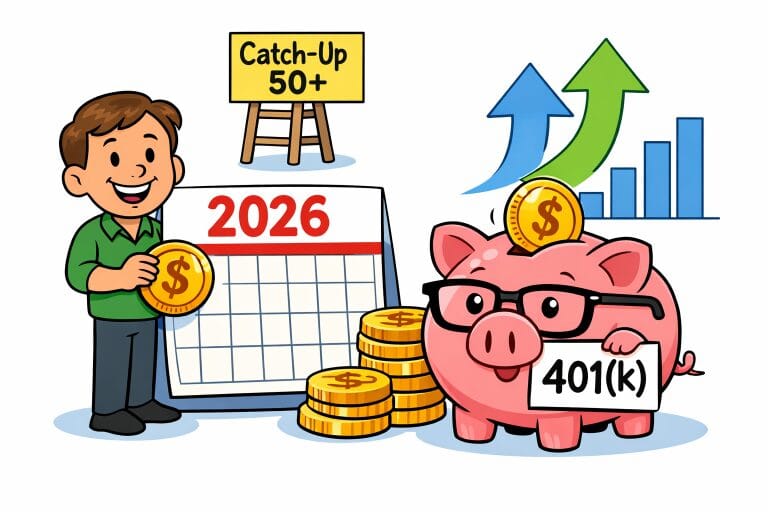
- The 2026 401(k) contribution limit is $24,500, with an additional $8,000 catch-up contribution for those 50 and older.
- Maximizing contributions early and consistently leverages compounding growth and strengthens long-term retirement savings.
- Automated contributions and gradual increases help maintain consistent saving habits without straining current finances.
- Utilize catch-up contributions and employer matching programs to fully leverage available retirement benefits.
- Diversify investments within your 401(k) to balance risk and optimize returns over time.
- Understand tax implications: traditional 401(k) contributions reduce taxable income now, while Roth contributions offer tax-free withdrawals in retirement.
- Review contribution limits annually and adjust strategies to reflect legislative updates, changes in personal income, and retirement goals.
Understanding 401(k) Contribution Limits
For anyone planning their future retirement, understanding the rules around how much you can contribute to your 401(k) is foundational. Each year, the Internal Revenue Service (IRS) revisits and updates these contribution caps, helping to ensure workers can adjust their savings strategies as economic conditions change. As of 2026, the standard contribution limit for 401(k) plans will be $24,500. Those age 50 and older can take advantage of an extra $8,000 catch-up contribution, allowing them to set aside even more as they approach retirement age. Taking full advantage of options like business 401(k) plan solutions gives employees a robust framework to build their nest egg, regardless of where they are in their career timelines.
Navigating these contribution rules can feel complex, but understanding them ensures you are not leaving money and future financial security on the table. Knowing the limits can help you make informed decisions about your annual contributions. With rising contribution ceilings over the years, more individuals are empowered to save effectively, maximizing both current tax advantages and long-term growth potential.
Another noteworthy aspect to consider is the timing of your contributions. Some employers allow you to increase your 401(k) contributions with year-end bonuses or unexpected windfalls, letting you make up for any missed opportunities earlier in the year. Review how your plan treats these options, as even a single extra payment can give your savings a significant short-term boost that compounds over time.
Impact of Contribution Limits on Retirement Savings
How much you put into your 401(k) can dramatically affect the amount of money you have available when you retire. Hitting or exceeding your contribution targets each year does more than add to your balance. Thanks to compounding, even small increases, such as boosting your savings rate by just 1 percent annually, can have a major impact on your financial future. According to Kiplinger, consistent, incremental increases provide a disciplined, effective path to robust retirement savings goals.
The long-term effect of catching up on contributions is notable. Older workers, often approaching the final decade or two of their careers, can use these elevated limits to make up for earlier shortfalls or simply bolster what they already have set aside. It is a chance to give your savings a final, impactful boost before transitioning into retirement.
Additionally, it is important to diversify your investments within your 401(k) plan as contributions increase. With more money at play, allocating it across various asset classes such as stocks, bonds, and target-date funds can help reduce risk and increase your odds of better returns over the long term. Periodically reviewing and rebalancing your asset mix ensures that your investments remain aligned with your risk tolerance, time horizon, and overall retirement objectives.
Strategies to Maximize 401(k) Contributions
- Automate Contributions: Setting up automatic payroll deductions makes it easy to maintain consistency with your savings. This ‘set it and forget it’ strategy removes the temptation to skip contributions and ensures your money is stashed away before you have the chance to spend it elsewhere.
- Utilize Catch-Up Contributions: If you are turning 50 or older this year, you are eligible for the additional $8,000. Even if you do not think you can contribute the full catch-up amount initially, gradually stepping up to these higher limits can make a significant difference.
- Increase Contributions Gradually: The “1% More” rule encourages savers to up their contributions each year by a small, manageable percentage. Over time, these small changes add up, providing a significant financial cushion come retirement.
Many plans also offer resources such as financial wellness workshops, one-on-one sessions with retirement plan counselors, or online planning tools. Take advantage of these opportunities to address questions or concerns about your contribution strategy and retirement readiness. Implementing these strategies not only strengthens your commitment to saving but can also introduce you to new ways to boost your retirement preparedness without causing unnecessary financial strain in your present budget.
Tax Implications of Contribution Limits
Another major benefit of maximizing your 401(k) contributions is the tax advantage they offer. For traditional 401(k)s, every dollar saved reduces your taxable income for that year, potentially moving you to a lower tax bracket. This can be a powerful incentive for higher earners or anyone seeking to lower their annual tax bill. However, it is essential to remember that withdrawals during retirement are treated as ordinary income and taxed accordingly.
For individuals using a Roth 401(k) option, understanding tax treatment is also crucial. Even though you make post-tax contributions, withdrawals in retirement can be tax-free if requirements are met. Balancing contributions between traditional and Roth accounts can form an effective tax-diversification strategy, helping you manage taxes in both your working and retirement years.
Adjusting Your Strategy with Changing Limits
Contribution limits are not set in stone. They can and do change, often rising to keep pace with inflation or respond to legislative updates. This makes it critical for savers to review their retirement contributions regularly, ideally at least once a year, so they can make adjustments as new limits are announced. Failing to do so can mean missing out on opportunities to increase savings and enhance long-term growth. Staying engaged and informed helps ensure you are making the most of any favorable changes to annual contribution rules.
Another reason to revisit your contribution strategy is to account for changes in your own financial situation, such as a new job, a raise, or changes in household budgets. Regularly syncing your savings goals with both IRS rules and personal circumstances will help you maximize every opportunity to build your retirement fund to its fullest potential.
Common Mistakes to Avoid
- Not Contributing Enough: Whether due to oversight or financial constraints, failing to contribute up to the IRS limit can mean missing out on both tax breaks and investment growth opportunities.
- Ignoring Catch-Up Contributions: Many eligible savers miss out on the chance to boost their retirement savings, even though the extra contributions available after age 50 can significantly improve financial security later in life.
- Overlooking Employer Matches: Some companies match a portion of employees’ 401(k) contributions. Failing to contribute enough to capture the full employer match leaves part of your compensation package unused.
Also, don’t forget to review plan fees, investment options, and plan rules. Over time, high fees can erode returns and offset some of the benefits of maximizing contributions. A periodic check-in on your 401(k) lineup and comparing options if switching jobs can ensure your retirement strategy remains cost-effective and efficient.
Final Thoughts
Understanding and adhering to 401(k) contribution limits is a crucial part of future-proofing your retirement plan. As these limits change, so should your strategy. Contributing up to the allowable maximum, taking advantage of catch-up opportunities, and reassessing your plan to reflect current IRS rules are all vital steps toward financial comfort in your post-career years. A mix of consistent action and awareness puts your retirement goals within reach, thanks to smart leveraging of 401(k) plans.
By regularly monitoring these limits, taking advantage of available resources, and staying proactive about adjustments, you can strengthen your retirement readiness. Remember, your 401(k) is more than just an account; it’s a strategic tool that, when used to its full advantage, can bring peace of mind and financial independence in retirement.
