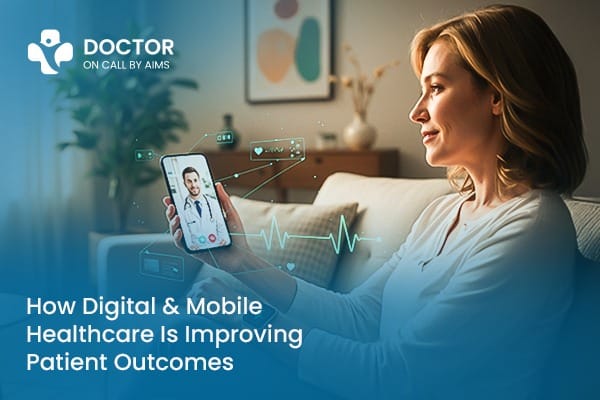
Not long ago, seeing a doctor meant rearranging your entire day. You drove to a clinic, waited for your turn, and hoped the visit would be quick. If you felt too weak to leave home, things became even harder.
Today, that picture looks different. A doctor on call can reach patients where they are, whether that’s at home, at work, or staying in a hotel. Digital tools connect patients and providers in minutes. This shift is not just about comfort. It is helping people get treated earlier, recover faster, and manage long-term health problems more safely.
Mobile healthcare is not replacing hospitals. It is filling the gaps between hospital visits. And those gaps matter more than we used to think.
How Doctor on Call Services Improve Access and Outcomes
The biggest improvement is simple: access.
When care is easier to reach, people use it sooner. A doctor on call service removes common obstacles for people when they are already unwell. Some of those obstacles are:
- Traffic,
- Long queues, and
- Physical strain of leaving home
Research from home-based care programs in different countries shows the following:
- Lower hospital readmission rates for chronic patients
- Fewer non-urgent emergency room visits
- High patient satisfaction
- Safe treatment outcomes for selected acute conditions
The pattern is clear. When people can get help quickly, small problems are less likely to become serious ones.
Early Treatment Makes a Measurable Difference
Think about a simple example. A child develops a high fever at night. Parents wait because they are hoping it will pass. By morning, the child is dehydrated and weak.
Now imagine a system where they can call doctor to home the same evening. In this way, their child can be assessed and treated promptly.
This applies to adults as well. Early attention can prevent the following:
- Worsening asthma attacks
- Infections spreading
- Severe blood pressure spikes
- Uncontrolled blood sugar levels
In medicine, delay is expensive. Hours can change outcomes. This is why mobile healthcare is important, as it shortens the time between symptom and treatment.
Care Feels Different at Home
There is something powerful about being treated in your own space.
Hospitals are important, but they are also busy and unfamiliar. For older adults, hospital stays can increase confusion. For some patients, anxiety rises the moment they walk into a clinical setting.
A doctor at home sees the full picture. Not just the symptoms, but the living environment.
During home visits, doctors can perform the following:
- Review medications directly from the patient’s cabinet
- Notice fall risks such as loose rugs or poor lighting
- Observe dietary habits
- Speak with family members face to face
Conversations often feel more relaxed. Patients ask more questions. They explain concerns more openly.
This kind of context improves decision-making. And better decisions improve outcomes.
Managing Chronic Illness More Consistently
Chronic diseases do not improve with one appointment. They require steady follow-up.
The challenge is consistency. People miss clinic visits for many reasons. Work, traffic, fatigue, or simple forgetfulness can interrupt care.
When booking a dr visit at home near me is easy, follow-up becomes simpler. Patients are more likely to stick to their care plans.
Another layer of support gets added by digital tools. For example:
- Blood pressure readings shared remotely
- Glucose levels tracked through apps
- Wearable devices that monitor heart rate
- Virtual check-ins or teleconsultations between physical visits
The World Health Organization has reported that proper monitoring can significantly reduce complications linked to chronic disease.
Supporting Patients After Hospital Discharge
Leaving the hospital does not mean recovery is complete. In fact, the first few days at home can be the most fragile period.
Instructions may be confusing. Medications may change. It is also possible that people might not notice the warning signs.
A home visit doctor can step in during this stage and perform the following:
- Recheck vital signs
- Inspect surgical wounds
- Clarify medication schedules
- Answer family questions
- Adjust treatment if needed
Transitional care studies show that structured home follow-up reduces readmission rates within 30 days of discharge.
Reducing Pressure on Emergency Departments
Emergency rooms are often filled with cases that are urgent but stable.
An emergency doctor at home can manage the following issues:
- High fever
- Mild breathing problems
- Allergic reactions
- Stomach infections
- Minor injuries
When appropriate cases are treated outside the hospital, it helps the critical patients to receive faster attention inside it.
It is important to maintain this balance as it supports the entire healthcare system. It reduces pressure and improves response times for serious emergencies.
Diagnostics Without the Hassle
Testing plays a central role in modern medicine. Yet many people delay blood work or routine screening because of time constraints.
Offering a lab test at home changes that behavior. When testing is simple, more people follow through.
This helps in improving the following:
- Early disease detection
- Monitoring of chronic conditions
- Medication safety
- Preventive screening rates
For example, regular blood testing for patients on certain medications prevents complications. Convenience increases compliance, and compliance protects health.
Compiling Results at One Place – Digital Reporting for Ease
Digital healthcare solutions have also brought patients’ information to one place. After getting tests done, patients receive digital reports that can be shared with the doctor anytime, anywhere.
Doctors can review results and guide through teleconsultation, eliminating the hassle of unnecessary visits and delays in treatment. Also, all the medical history or records of the patient can be found in the modern healthcare systems, designed for ease and track patient’s health.
Healthcare That Moves with Modern Life
People travel often. Business trips, vacations, and short stays are common in cities like Dubai.
Falling sick away from home can be stressful. Access to a doctor at hotel allows patients to receive treatment without navigating an unfamiliar healthcare system.
This is especially helpful for these individuals:
- Families with young children
- Elderly travelers
- Patients with ongoing medical conditions
Quick assessment prevents minor illness from turning into a disrupted trip or a hospital visit.
Digital Tools Strengthen Communication
Mobile healthcare also includes teleconsultations, electronic prescriptions, and secure messaging.
Patients can do the following:
- Book appointments online
- Access medical reports
- Receive medication reminders
- Follow up without traveling
Better communication leads to better adherence. When patients clearly understand what to do and why it matters, they are more likely to follow instructions.
Healthcare becomes a shared effort rather than a one-sided interaction.
Reducing Exposure to Infection
Treating suitable cases at home lowers exposure to contagious illnesses. This became especially important during the pandemic.
For elderly or immunocompromised individuals, avoiding crowded waiting rooms reduces risk.
Mobile teams follow hygiene protocols while limiting unnecessary hospital visits. This approach protects vulnerable patients.
A Growing Shift in the UAE
Across the UAE, patient expectations are shifting. People want accessible care without compromising safety.
Healthcare providers, including Doctor On Call by AIMS Healthcare, have expanded digital and home-based services in response to this demand. The focus is not only on comfort, but on improving measurable health outcomes.
Looking Forward
The future of mobile healthcare may include the following:
- More advanced remote monitoring devices
- Portable imaging tools
- Integrated digital records across platforms
- Home-based rehabilitation supported by telemedicine
The Bottom Line
Healthcare outcomes improve when care is timely, practical, and consistent. A well-structured doctor on-call service supports all three. Mobile healthcare is playing a significant role in improving patient outcomes. It helps in reducing delays, strengthening follow-up, supporting chronic disease management, and making treatment more personal.
Sometimes progress is not about building bigger hospitals. Sometimes it is about bringing care closer to the patient.
